Pierce County Court provides residents with easy access to court records, services, and tools for managing cases. Citizens can obtain civil, criminal, and juvenile court information quickly through official channels. The court prioritizes accuracy and reliability in all public records. Residents and legal professionals alike rely on these resources for essential documentation.
Pierce County Court Records are maintained by the Pierce County Clerk of Court, ensuring transparency and proper handling. These records cover civil disputes, criminal cases, and juvenile matters. Users can request documents in person or through secure online tools. Every record is organized to support legal, administrative, and personal needs efficiently.
How to Search Pierce County Court Records
Pierce County court records can be searched online using the LINX system or requested directly from the Clerk of Court. Access depends on case type, with some civil and juvenile records restricted.
Searching Online with LINX
LINX is Pierce County’s online search tool and the fastest way to check records.
LINX Search Link: https://linxonline.co.pierce.wa.us
Steps:
- Open the website and select the “Criminal / Civil / Juvenile” tab.
- Enter search details:
- Case Number
- Plaintiff / Defendant Name
- Defendant Name
- Optional filters:
- Filing year
- Case type (Civil, Criminal, Family)
- Click Search to view results.
Official Pierce County Court Website
Start with the official source for accurate information: Pierce County Court Records – Official Site
This page provides:
- Online case search
- Public records information
- Clerk of Court contact details
Decide Case Type
Pierce County organizes records into three main types:
- Criminal Cases – Adult criminal charges, court dates, and dispositions.
- Civil Cases – Lawsuits, small claims, and family law (some records may be sealed).
- Juvenile Cases – Mostly restricted; limited information is available online.
Choosing the correct case type ensures searching in the proper section.
Contacting Pierce County Clerk of Court
If records are not available online or certified copies are needed, contact the Clerk of Court:
Clerk of Court – Pierce County
Services include:
- Certified record copies
- Court documents
- Assistance with restricted or sealed records
Public Records Request
Public records requests allow access when online search is insufficient:
- Juvenile Records – Limited; may require a court order.
- Civil Records – Available depending on confidentiality.
- Criminal Records – Most adult criminal cases are open to the public.
Requests can be submitted online or in writing according to the Clerk’s instructions
Court Docket, Calendars & Hearing Lookup
Court dockets and calendars show:
- Hearing dates and upcoming events
- Case milestones and scheduled proceedings
Filters can be applied by case type, judge, or courtroom. Limited information may appear for confidential or sealed cases.
Inmate and Jail Roster Search
- For criminal case follow-up, Pierce County provides an inmate roster:
- Pierce County Inmate Roster
- Frequently updated for new bookings and releases
- Shows current inmate status, booking dates, charges, and release info
- Search by full name or booking number
What is Pierce County Court & What Records Are Available
Pierce County Court manages different types of legal cases across multiple divisions. Each court maintains specific records, some of which are public, while others have restricted access depending on the case type.
Pierce County offers clear divisions for criminal, civil, family, and juvenile cases. Understanding the function of each court helps residents know where to find case information or file documents.
Pierce County Superior Court
The Pierce County Superior Court handles serious legal matters, including criminal, civil, family, and probate cases. This court serves as the primary venue for significant disputes and complex legal proceedings.
Key Responsibilities:
- Criminal cases: Felonies and serious offenses.
- Family law: Divorce, custody, and support issues.
- Probate matters: Wills, estates, and guardianship.
- Civil disputes: Lawsuits involving substantial claims or property disputes.
Record Availability:
Superior Court maintains public records for most civil and criminal cases. These documents may include:
- Case filings and motions
- Judgments and orders
- Court calendars and schedules
Certain sensitive information, such as sealed cases or confidential family records, is restricted. Residents can typically request public records through the court clerk’s office.
Pierce County District Court
The Pierce County District Court deals with less severe legal issues. This includes misdemeanors, traffic infractions, and small claims, offering a faster resolution than Superior Court for minor disputes.
Primary Functions:
- Misdemeanors: Petty theft, minor assaults, or low-level criminal offenses.
- Infractions: Traffic tickets and local ordinance violations.
- Small claims: Civil disputes involving smaller amounts, usually under $10,000.
Records:
District Court records are generally public and may include:
- Dockets and case summaries
- Court decisions and fines
- Payment histories for fines and penalties
District Court records differ from Superior Court records mainly in case severity and filing complexity.
Pierce County Juvenile Court
The Pierce County Juvenile Court handles legal matters involving minors under 18 years old. This court focuses on both delinquency and dependency cases, balancing legal accountability with rehabilitation.
Functions of Juvenile Court:
- Delinquency cases: Crimes committed by minors.
- Dependency cases: Child abuse, neglect, or custody disputes.
- Youth rehabilitation programs: Counseling, diversion, and community service.
Public vs. Restricted Records:
| Record Type | Accessibility |
|---|---|
| Juvenile delinquency case files | Restricted, typically sealed |
| Dependency and abuse cases | Restricted, requires court approval |
| Court hearing schedules | Public in most cases |
| General statistics on juvenile cases | Public reports |
Accessing Juvenile Records:
Restricted records require a formal request or legal authorization. Public summaries and case statistics can often be found through official court channels.
Pierce County Civil Court Records
Civil Court addresses disputes between private parties, businesses, or government entities. These include lawsuits for contracts, property, or personal injury claims.
Types of Civil Cases:
- Disputes: Contract or property disagreements.
- Small claims: Cases with smaller financial stakes.
- Torts: Personal injury or negligence claims.
Record Availability:
Civil court records are generally public but may exclude sensitive information. Public records often include:
- Filed complaints and petitions
- Court rulings and settlements
- Case schedules and notices
Types of Records & When You Might Need Them
Pierce County courts maintain a wide range of records, each serving a specific purpose. Knowing the type of record you need helps individuals, attorneys, and organizations obtain accurate information efficiently.
These records can support legal proceedings, verify information, or help resolve personal and business matters.
Civil Court Records
Civil court records provide information about disputes between individuals, businesses, or government entities. People often search them to check lawsuits, confirm settlements, or track case progress.
Common Civil Records Include:
- Civil judgments: Court decisions on disputes or claims
- Civil motion filings: Requests or applications submitted to the court
- Civil court transcripts: Detailed records of hearings or proceedings
These records are mostly public unless the court seals sensitive information. They help parties understand the legal outcomes and protect their rights in related disputes.
Juvenile Records
Juvenile court records involve cases concerning minors. These records are carefully regulated to protect the privacy of youth involved in the justice system.
Key Differences:
| Record Type | Accessibility |
|---|---|
| Delinquency cases | Usually sealed, limited access |
| Dependency cases | Restricted, requires court authorization |
| Parental rights records | Access often limited to parents, legal guardians, or authorized parties |
Why People Search Juvenile Records:
- To verify youth case outcomes in delinquency or dependency matters
- To understand parental rights or legal obligations
- To access court decisions in custody or welfare cases
Clerk of Court Records
The Clerk of Court maintains official copies of many court documents. These records serve as verified legal proof for multiple purposes.
Common Clerk Records Include:
- Certified copies: Official duplicates of court orders or judgments
- Official documents: Filed petitions, contracts, or legal agreements
- Court transcripts: Verbatim records of hearings or trials
Clerk records are often requested for legal filings, property transactions, or personal verification. Court staff assist with record requests and guidance on obtaining certified copies.
Criminal Records
Criminal records include information on arrests, convictions, and sentences. Individuals search these to check background information, employment requirements, or legal compliance.
Typical Uses:
- Background checks for jobs or licenses
- Legal investigations
- Personal verification of criminal history
Records are public unless sealed or restricted by law.
Family, Divorce & Marriage Records
These records cover legal matters involving family relationships. They include divorce decrees, marriage certificates, custody agreements, and adoption records.
Uses:
- Proof of marital status
- Custody and support matters
- Legal verification for benefits or inheritance
Some records, such as adoption files, are restricted to protect privacy.
Property & Vital Records
Property and vital records include deeds, mortgages, birth, death, and other civil registration documents.
Common Uses:
- Real estate transactions
- Estate planning
- Identity verification or genealogical research
These records are often maintained by county offices and are generally public, though some sensitive details may be restricted.
Court Docket & Calendar Records
Docket and calendar records provide schedules of court proceedings. These records are helpful to attorneys, litigants, and the public for tracking case timelines.
Includes:
- Upcoming hearings and trial dates
- Case status updates
- Courtroom assignments
These records allow parties to prepare and stay informed about ongoing legal matters.
Common Issues, Restrictions & Limitations
Court records in Pierce County provide valuable legal information, but access is not always straightforward. Certain records are restricted or confidential, and state laws govern how and when they can be released.
Understanding these limitations helps residents, attorneys, and organizations navigate record requests efficiently while respecting privacy and legal requirements.
Juvenile Access Limitations
Juvenile court records are strictly protected to safeguard minors’ privacy and rehabilitation prospects.
Key Considerations:
- Confidentiality: Most juvenile delinquency and dependency case files are sealed. Public access is highly limited.
- State law requirements: Washington State law regulates the disclosure of juvenile records. Only authorized parties, such as parents, legal guardians, or attorneys, can access sensitive information.
- Access restrictions: Requests often require formal petitions or court approval. Unauthorized disclosure can result in legal penalties.
Implications:
- Employers, schools, or the public cannot generally view juvenile records.
- Summary statistics or anonymized reports may be available for research or policy purposes.
Civil Records Restrictions
Civil court records are generally public, but certain filings remain confidential.
Protected Civil Case Types:
- Family-related civil disputes may have limited access to protect privacy.
- Financial or business documents may be sealed under court order.
Sealed Civil Filings:
- The court can restrict access to sensitive information such as settlements, contracts, or proprietary data.
- Sealed filings prevent unauthorized parties from viewing documents that could impact parties’ privacy or legal rights.
Implications:
- Public searches may not return sealed documents.
- Legal professionals may need court approval to obtain restricted civil filings.
Clerk of Court Limitations
The Clerk of Court manages and releases official court records but cannot provide unrestricted access.
When Documents Cannot Be Released:
- Records sealed by the court, such as juvenile or sensitive civil cases.
- Active case materials that could compromise legal proceedings.
- Personal information protected by privacy laws or court orders.
Other Considerations:
- Record requests may be delayed due to verification procedures or high demand.
- Certain certified copies may require fees or identification to process.
Requesting Official Records / Certified Copies
Pierce County courts provide official and certified copies of records for legal, personal, or business purposes. These copies serve as legally recognized proof of filings, judgments, or court actions.
Requesting certified records ensures accuracy and authenticity, which is often required for legal proceedings, property transactions, or administrative verification.
Certified Civil Documents
Certified civil court documents are official copies of filings or court orders that have been verified by the court clerk.
Common Certified Civil Documents:
- Judgments and verdicts
- Motion filings
- Court orders or settlements
Request Process:
- Submit a written request or online form to the Pierce County Clerk’s office.
- Provide case number, party names, and type of document.
- Pay applicable certification or processing fees.
Why Use This Portal – Benefits & Features
Pierce County’s court portal provides a central hub for searching and requesting court records. Users can access information across multiple court divisions quickly, reducing time and effort.
This portal simplifies record searches, offers direct guidance from court staff, and ensures that users follow proper procedures when requesting official documents.
Unified Search for Civil, Criminal & Juvenile Records
The portal allows users to search civil, criminal, and juvenile court records from one convenient interface.
Benefits:
- Time-saving: No need to visit multiple websites or offices.
- Comprehensive results: View case summaries, court schedules, and filing information in one place.
- Customizable search: Filter by case type, party names, or case numbers for precise results.
Direct Clerk Guidance
Users can connect directly with the Clerk of Court for assistance, ensuring proper procedures are followed.
Key Features:
- Guidance on certified record requests
- Instructions for accessing restricted or sealed documents
- Clarification on fees, forms, and processing timelines
Having direct support reduces errors, prevents delays, and ensures compliance with court rules.
Step to Search Instructions
The portal provides step-by-step instructions for locating and requesting records.
How It Works:
- Select the court division: civil, criminal, or juvenile.
- Enter case details such as names, dates, or case numbers.
- Review search results and identify the documents needed.
- Follow instructions to request certified copies or additional information.
- Track requests and communicate with the clerk as needed.
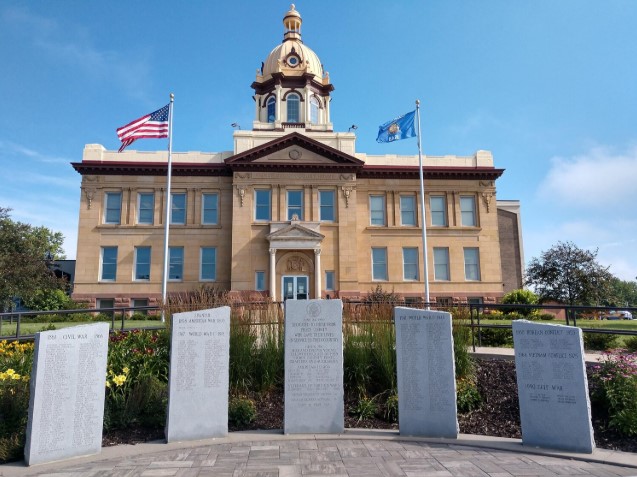
Pierce County Courthouse
The Pierce County Courthouse, also known as the County–City Building, serves as the central hub for the county’s legal and administrative operations. Located in downtown Tacoma, it houses courts, administrative offices, and public services under one roof, making it a critical point of access for residents.
Address:
930 Tacoma Ave S, Tacoma, WA 98402
History:
Constructed between 1957 and 1959, the Pierce County Courthouse was designed to consolidate county and city operations into a single, functional building. Since its opening, it has been a landmark in Tacoma, reflecting mid-20th century civic architecture and accommodating the growing demands of Pierce County’s legal system.
Building :
The courthouse spans 10 floors, each dedicated to specific functions:
- Floor 1: Main entrance, information desk, and public lobby.
- Floor 2: Clerk of Court offices for civil, criminal, and family filings.
- Floor 3: District Courtrooms and jury assembly areas.
- Floor 4: Probation office and support services for defendants.
- Floor 5: Administrative offices, including finance and HR.
- Floor 6: Superior Court civil and domestic trials.
- Floor 7: Criminal felony courtrooms.
- Floor 8: Family and juvenile court services.
- Floor 9: Commissioners’ courtrooms and mediation services.
- Floor 10: Conference rooms and court archives.
Clerk Office Location: Floor 2 – handles filings, certified copies, and public record requests.
Probation Office: Floor 4 – manages supervision and rehabilitation programs.
Administration Floor: Floor 5 – oversees courthouse operations.
Courtroom Distribution: Floors 3, 6, 7, 8, and 9 host the courtrooms, with specific floors dedicated to each court type.
CourthousePierce County District Court
The Pierce County District Court handles legal matters that are generally less severe than those heard in Superior Court. It primarily oversees misdemeanors, traffic infractions, small claims, and anti-harassment orders.
Case Limits:
- Small claims: Up to $5,000
- Civil cases: Up to $100,000
The court does not handle felony cases, large civil claims exceeding $100,000, probate, or family law matters. Individuals needing these services are referred to Superior Court.
Common Services:
- Misdemeanor offenses, including petty theft or minor assaults
- Traffic infractions and local ordinance violations
- Small claims disputes, such as landlord-tenant or contract issues
- Anti-harassment and protection orders
Online Record Limitations: While some records are available online, access to sealed or sensitive documents is restricted. Full case files often require direct contact with the clerk’s office. Contact Information
For efficient assistance, the courthouse provides direct lines to key departments:
Clerk of Court (Superior Court): (253) 798‑7455
District Court (Pierce County District Court): (253) 798‑7487
Superior Court Administration / General Superior Court Contact: (253) 798‑3654
Staff can guide visitors regarding court schedules, filings, and procedural inquiries.
Pierce County Superior Court – General Jurisdiction Court
The Pierce County Superior Court handles major civil, criminal, family, and probate cases. It is the court of general jurisdiction, hearing both high-stakes and complex legal matters.
Judges & Commissioners: The court comprises 22 judges and 9 commissioners, ensuring coverage for diverse case types and specialized legal areas.
Superior Court Responsibilities:
- Criminal cases: Felony trials, sentencing, and appeals
- Civil cases: High-value disputes exceeding District Court limits
- Family court: Divorce, custody, support, and domestic relations
- Probate: Estate management, wills, and guardianships
- Appeals: Handles appeals from District Court and administrative boards
Divisions of the Superior Court
Civil & Domestic Trials: This division manages complex civil disputes and domestic cases, including property disputes, divorces, and support matters. Courtrooms handle filings, motions, and trials for high-value civil and family cases.
Criminal Felony: Focused on serious criminal offenses, including felonies. Judges and commissioners conduct trials, sentencing, and pre-trial hearings for criminal cases beyond District Court jurisdiction.
Juvenile Court Services: Handles cases involving minors, including delinquency and dependency matters. The division works closely with social services and rehabilitation programs while protecting minors’ privacy.
Family Court: Addresses issues like divorce, custody, child support, and domestic violence protection orders. The court prioritizes resolution and legal protection for families.
Commissioner Court: Oversees hearings on specialized matters such as motions, administrative law cases, and preliminary issues in civil, family, and probate matters. Commissioners provide initial rulings and recommendations for judges.
Frequently Asked Questions
This FAQ section addresses common questions about accessing and understanding Pierce County court records. Answers are concise, practical, and aligned with legal requirements
How can I access Pierce County Juvenile Court records?
Juvenile Court records are highly restricted to protect minors’ privacy. Only parents, legal guardians, attorneys, or authorized agencies can request access. Most records, including delinquency or dependency case files, require court approval before release. Summary statistics or anonymized reports may be available for public research.
Where do I find Pierce County civil case records?
Civil case records can be obtained from the Pierce County Clerk of Court. Records include filings, motions, judgments, and court transcripts. While most civil records are public, some filings may be sealed to protect sensitive information, requiring formal approval for access.
How do I contact the Pierce County Clerk of Court?
You can contact the Clerk of Court via phone, email, or in person at the Pierce County Courthouse:
- Clerk of Court (Superior Court): (253) 798‑7455
- Location: Floor 2, Pierce County Courthouse, 930 Tacoma Ave S, Tacoma, WA 98402
- Services: Filing documents, requesting certified copies, and obtaining court records
Clerk staff can provide guidance on fees, forms, and record requests.
Which records are not public in Pierce County?
Certain records are restricted or confidential:
- Juvenile case files: Delinquency and dependency records are generally sealed.
- Sealed civil filings: Sensitive civil cases may be restricted by court order.
- Active criminal investigations: Records not yet adjudicated or sealed by law.
- Personal information: Certain documents are protected to maintain privacy.
Access to these records typically requires court approval or legal authorization.